Fin Rot: Symptoms, Treatment, and Why It Keeps Coming Back
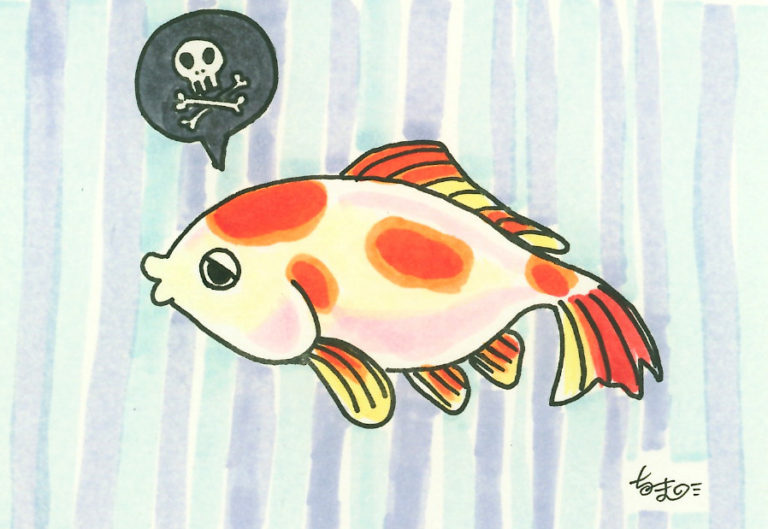
Fin rot is one of the most common diseases in aquarium fish. The edges of the tail and fins turn cloudy white, then split and fray, and in severe cases the fins melt away entirely and the fish dies. In Japan we call it ogusare-byō (尾ぐされ病) , literally "tail-rotting disease."
The bacteria that cause fin rot live in every aquarium, all the time. A healthy fish's immune system keeps them in check, and fin rot appears only when something has already weakened the fish: bad water, temperature swings, or bullying. That is why treatment is only half the job. If you don't fix whatever is stressing the fish, the rot comes back.
What Fin Rot Looks Like, Stage by Stage
| Stage | What you see | What to do |
|---|---|---|
| Early | Fin tips/edges turn cloudy white; nearby redness or streaking | Salt bath (below). Good odds of full recovery |
| Middle | Cloudiness spreads; fins split and turn ragged | Move to medication without waiting |
| Late | Fins dissolve from the tips; fish weakens visibly | Medication and very clean water. Recovery is possible but not guaranteed |
Fin rot progresses quickly. A small cloudy edge can turn into half a missing tail within days. Looking at the fins every day is the best early warning you have, and it is a habit our maintenance staff never skip.
What Causes It
The culprits are ordinary aquatic bacteria. Aeromonas, Pseudomonas, and Flavobacterium columnare (columnaris) are the names you'll see. In our experience the columnaris-type infections progress fastest and can also attack the mouth and gills. These bacteria produce enzymes that dissolve protein, which is why the fins look like they're melting. They are also present in healthy tanks, so an outbreak is a sign that something has stressed the fish.
Treatment 1: The Japanese 0.5% Salt Bath (Early Stage)

Caught early, the usual first response in Japan is a salt bath (ensui-yoku (塩水浴) ). It is gentle and cheap, and it works well before the fins are visibly splitting. Salt eases the osmotic workload on a freshwater fish, which frees energy for its immune response, and it mildly suppresses bacteria. In short, move the fish to a separate container at 0.5% salt (19 grams per gallon, or 5 g per liter, weighed rather than spooned), add an air stone, and change the water daily for about a week.
Note that this is about five times the "tonic" dose on a US salt label (roughly 0.1%). It belongs in a hospital container, never your display tank, where the plants and beneficial bacteria would suffer. Tetras, many scaleless catfish, and soft-water species tolerate salt poorly, so use a weaker bath for them or go straight to medication. Our salt bath guide covers the full method: raising the salt in stages, the daily water changes, and which species need a weaker bath.
Treatment 2: Medication (Middle Stage and Beyond)

If the fins are visibly splitting, or a salt bath hasn't turned things around within a few days, treat with antibacterial medication in a hospital tank. Dose exactly per the label, add the medication in stages, and keep the water aerated.
Salt bath and medication can be combined. In stubborn cases the two together work better than either alone.
Species caution: catfish, "primitive" fish (bichirs, arowana relatives) and, in our experience, bettas tolerate medication poorly. Start at one-third to one-half the label dose and observe before increasing.
Feeding During Treatment
A fish that was eating normally can safely fast for up to a week during treatment. Digestion costs energy, and uneaten food fouls a small hospital tank. If treatment runs longer, feed lightly and remove leftovers immediately. Past three weeks without food, weakness itself becomes the problem.
Do You Need to Sterilize the Tank?

No. Because the bacteria are normal residents of every aquarium, tearing down the display tank or throwing away plants accomplishes nothing. Rinse décor in tap water if it worries you, fix the water quality, and move on.
Why Fin Rot Comes Back, and How to Break the Cycle
Treating fin rot without fixing its cause rarely lasts. When we're called to a client tank with recurring fin rot, we check four things in order:
| Root cause | What to check |
|---|---|
| Water quality | When was the last water change, really? Is the filter adequate for the stocking level? Recurring fin rot very often means the filtration is undersized |
| Temperature | A common case: the heater quietly failed, the fish sat in cold water for days, and fin rot followed. Put a thermometer on every tank and glance at it daily |
| Tank mates | A fish that is chased all day is stressed, and nipped fins give infection an easy way in |
| Over-maintenance | Constant rescaping and hands in the tank stress fish too. Work quickly, then leave them in peace |
In one client's marine tank, a pajama cardinalfish we had added on the previous visit had ragged fins, so we took it back out. Our staff noted that fish of that species had died there one after another and that bullying might be the cause.
Minor injuries can also become entry points. Healthy fish usually heal on their own with clean water; disinfect slow-healing wounds with methylene blue before they become infections.
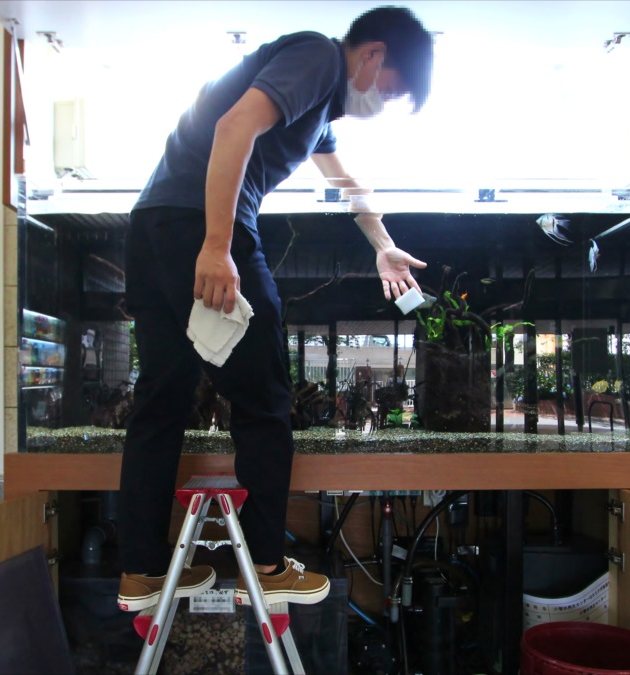
In over 20 years of maintaining client aquariums, almost every tank we've been called to for recurring fin rot had the same history: the number of fish crept up over time, but the water change schedule didn't. What ends the cycle is rarely a better medicine. It is usually moving from monthly to weekly water changes, or replacing a filter the tank outgrew a year ago.
FAQ
- Q. My fish's fins are ragged. Is it injury or fin rot?
- A. Look at the edges. An injury from décor or a tank mate is a clean split, like torn paper. Fin rot looks melted, with cloudy, whitish edges that dissolve rather than tear. If the edges look melted, start treatment now.
- Q. Can fin rot heal on its own?
- A. Earliest-stage cases sometimes resolve with nothing but a big water change and removal of the stressor. If you can see the fins visibly worsening day to day, it will not heal on its own — treat it.
- Q. Will the fins grow back?
- A. Usually yes, if the rot is stopped before it reaches the fin base. Regrowth takes weeks and the new fin tissue may look slightly different at first.
- Q. Which fish get fin rot most?
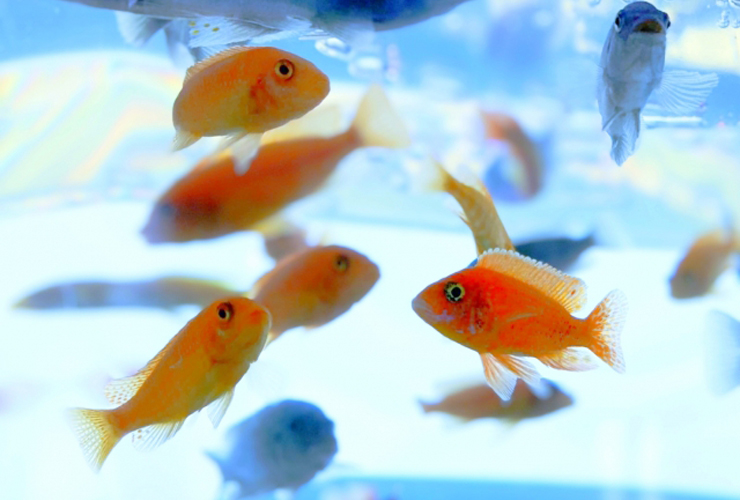
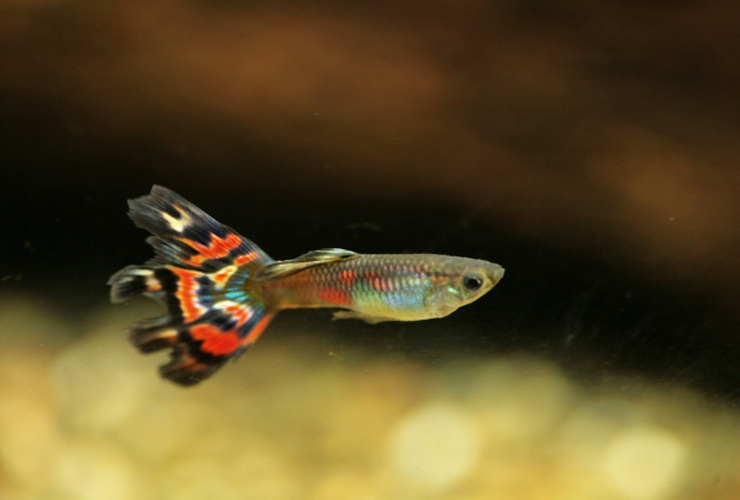
- A. Long-finned fish such as bettas, fancy goldfish and guppies show it most clearly. In our work, goldfish tanks are the most frequent callouts, but any freshwater fish can develop it.