Medaka Tank Mates: Shrimp, Snails and Fish That Work
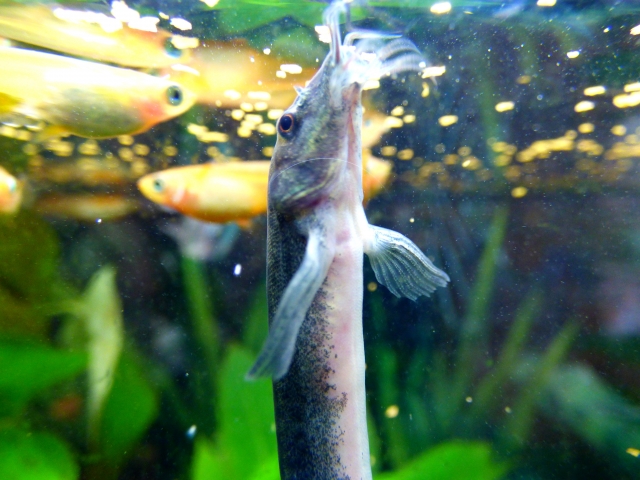
After a while, many medaka keepers want to add other animals to the tank. The medaka (メダカ), sold in the US as the Japanese rice fish, is so mild-mannered that beginners assume it can share water with almost anything. Choose the wrong neighbor, though, and your medaka get bullied or eaten.
The Medaka Compatibility Table
Read "Conditional" as "works if you meet the conditions below, and keep watching." Individual animals vary.
| Tank mate (US name / Japanese name) | Verdict | Why |
|---|---|---|
| Dojo or weather loach, golden dojo, Japanese striped loach dojo (ドジョウ), hi-dojo (ヒドジョウ), shima-dojo (シマドジョウ) | OK | Lives on the sand and leaves medaka alone. Eats leftovers. The weather loach is prohibited in some US states; see below. |
| Cherry shrimp, or Japan's related minami-numa-ebi minami-numa-ebi (ミナミヌマエビ) | OK | Gentle, eats algae and leftovers, breeds in the tank. The minami-numa-ebi takes the same temperatures as medaka; cherry shrimp should winter indoors. Keep one or the other; the two interbreed. |
| Amano shrimp yamato-numa-ebi (ヤマトヌマエビ) | OK | Stronger algae grazer. Larger, so more likely to take eggs and fry. Does not breed in freshwater. |
| Nerite snail ishimaki-gai (イシマキガイ) | OK | Grazes algae, ignores the fish, does not reproduce in the tank. |
| Japanese trapdoor snail (a close relative sold in the US) hime-tanishi (ヒメタニシ) | Conditional | Good pond cleaner, but multiplies readily. Start with a few, and check state rules. |
| Ramshorn snail | Conditional | Leaves fish alone; breeds explosively, so keep the count low. |
| Mystery snail (an apple snail) | Conditional | Harmless to medaka. Other apple snails are restricted in the US; see below. |
| Neon tetra, cardinal tetra | Conditional | Indoors only, heater at about 79°F (26°C), trial with a few first. |
| Lambchop rasbora (espei rasbora) | Conditional | Same conditions as the tetras. |
| White Cloud Mountain minnow akahire (アカヒレ) | Conditional | Unlike the tetras, needs no heater. Also on the Japanese stocking list for outdoor medaka containers. Add a few and watch. |
| Corydoras | Conditional | Peaceful bottom catfish. Needs the heater, and it digs, so anchor plants. |
| Goldfish kingyo (金魚) | Avoid | Pushier, sometimes territorial, omnivorous. Chases medaka and eats small ones. |
| Crayfish zarigani (ザリガニ) | Avoid | Omnivore with a taste for meat; eats medaka and shreds cover plants. |
| Frogs, tadpoles, turtles | Avoid | Frog waste fouls water fast; large frogs and turtles eat medaka; tadpoles eat fry. |
| Any medium-sized or larger fish, including angelfish | Avoid | Stresses medaka into hiding, swallows those that fit, usually kept with strong filters. |
| Predatory river fish, wild-caught ones included namazu (ナマズ), unagi (ウナギ), oyanirami (オヤニラミ) | Avoid | Catfish, eels and other hunters eat medaka. |
| Rummy-nose tetra; cichlids that want alkaline water | Avoid | The tetra can be feisty with medaka. It sometimes settles in a large, busy community tank, but it is not a pairing to plan on. The cichlids need water chemistry medaka do not share. |
| Oriental river prawn, lake prawn tenaga-ebi (テナガエビ), suji-ebi (スジエビ) | Avoid | Both lean carnivorous; the river prawn can grow past 4 inches (10 cm). |
| Crystal red or bee shrimp | Avoid | No threat to medaka, but too water-sensitive for a hardy medaka setup. |
| Fancy medaka varieties (unusual body, fins or eyes) daruma (ダルマ), deme (出目), albino, swallow | Keep separate | Unusual bodies, fins or eyes leave them slower or weaker-sighted, so they lose the race for food. |
What Makes a Good Medaka Tank Mate
Medaka are small, peaceful schoolers, so they do best with animals that are also happy in a group. A good candidate is peaceful, has a mouth too small to fit a medaka (fish eat whatever fits), and likes the same water. So skip carnivores, strong omnivores, big-mouthed larger fish, and anything aggressive or territorial.
Outdoors, the list gets shorter. A container pond swings in temperature, gets cold in winter and can run short of oxygen, and a tank mate has to cope with all of that. It also has to stay put, because anything inclined to crawl out of a container will. Tropical fish can't take the swings or the winter cold. In a container, stick to cold-hardy animals: loaches, minami-numa-ebi or Amano shrimp, pond snails, and the White Cloud Mountain minnow.
Why Shrimp Suit Medaka So Well
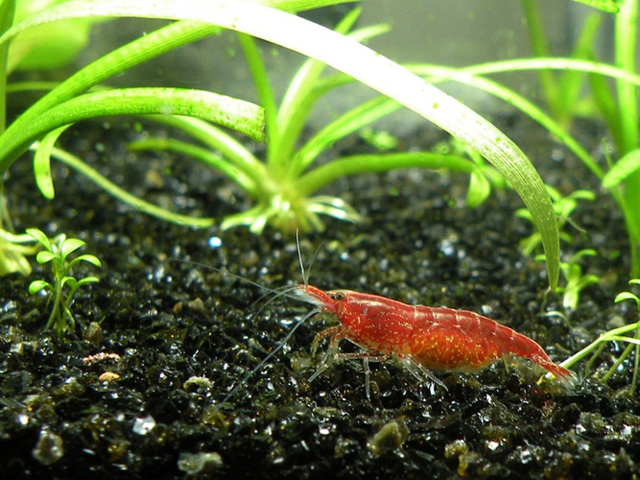
In Japan, shrimp are among the tank mates most often recommended for medaka. The small Japanese shrimp share rivers and ponds with wild medaka and eat the same broad omnivorous diet, and the two get along. The shrimp also graze algae and eat leftovers before they foul the water, much as they do in a natural pond. The minami-numa-ebi and the Amano shrimp overwinter outdoors with medaka in Japan. The red cherry shrimp is better kept indoors over winter; our cherry shrimp guide covers its temperature range.
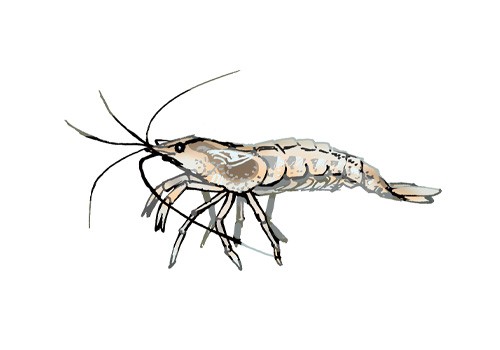 The wild minami-numa-ebi (ミナミヌマエビ) is a roughly 1-inch (2 to 3 cm) native shrimp that breeds readily in freshwater. The red cherry shrimp sold in US fish stores is a close relative of about the same size, and adds a splash of red.
The Amano shrimp, yamato-numa-ebi (ヤマトヌマエビ), is the bigger cousin at 1.2 to 2 inches (3 to 5 cm) and the stronger algae eater. It cannot breed in freshwater, so the number you buy is the number you keep.
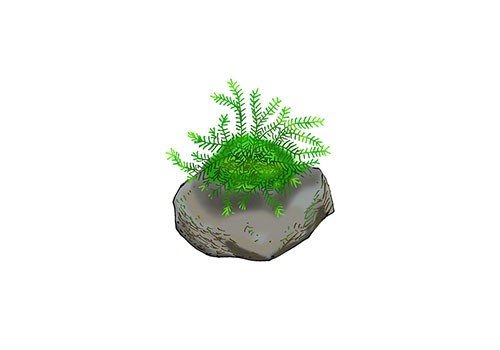 Larger shrimp, Amanos especially, can eat medaka eggs and fry, and adult medaka can eat baby cherry shrimp. Combine animals only once neither fits in the other's mouth, and breed either species separately. If you want shrimp to reproduce in the community tank anyway, pack it with java moss (ウィローモス, sold in Japan as "willow moss") so the young can hide.
Skip the tenaga-ebi (テナガエビ), a river prawn that can grow past 4 inches (10 cm), and the smaller suji-ebi (スジエビ). Both lean carnivorous and can eat medaka. Bee shrimp won't bother medaka, but they need more stable water than a medaka tank usually has.
Snails Are Harmless Until They Multiply
Snails are no danger to medaka, and they scrape algae off the glass. The problem is how fast some of them breed. Ramshorn snails can multiply until the tank is carpeted, and the hime-tanishi (ヒメタニシ), a small snail Japanese keepers add to medaka ponds, also breeds readily. Start with a few. A close relative sold in US stores is the Japanese trapdoor snail, which is prohibited in New York and regulated in Minnesota; check your state before buying it. If you want a snail that will not overrun the tank, choose the nerite, ishimaki-gai (イシマキガイ), which does not reproduce in freshwater. Our cleanup crew guide compares them.
US note on apple snails. The mystery snail at your local store is an apple snail, and apple snails are regulated in the United States. The usual pet-store mystery snail is the spike-topped species Pomacea diffusa, which USDA lets move between states without a permit. Other apple snails generally cannot be moved across state lines, and some states, Texas among them, ban them outright.
Loaches and Corydoras Keep to the Bottom
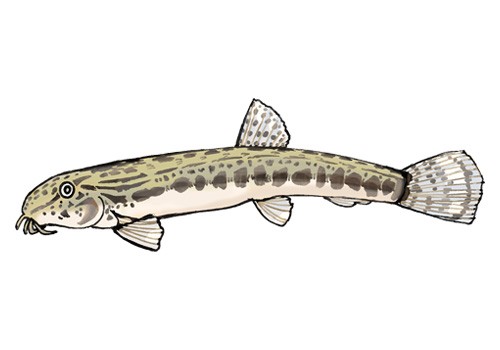
A fish that lives on the sand has no reason to bother a fish that lives at the surface, which is why loaches are the classic Japanese medaka companion. The dojo (ドジョウ) is the fish sold in the US as the dojo loach or weather loach; its yellow form, hi-dojo (ヒドジョウ), is the golden dojo; and the patterned shima-dojo (シマドジョウ) is the Japanese striped loach. All eat what the medaka miss and need no heater. The weather loach, golden form included, is a prohibited species in Michigan and Minnesota.
Not every loach is that easy, though. Japan's hotoke-dojo (ホトケドジョウ) is aggressive and strongly carnivorous, and it can eat medaka. If you want to try one anyway, keep it only with full-grown medaka (never fry), keep it well fed, and watch for chasing or pecking. Some large omnivorous loaches can attack medaka too; the bigger a loach's body and mouth, the closer you should watch it.
Corydoras fill the same bottom role in a heated tank: stubby armored catfish that never squabble and clean up food that sinks. They are tropical and need the heater described below. They also dig up plants rooted in the gravel, which medaka need for cover and spawning. Tie plants to driftwood or buy them already attached.
Small Aquarium Fish, With Conditions
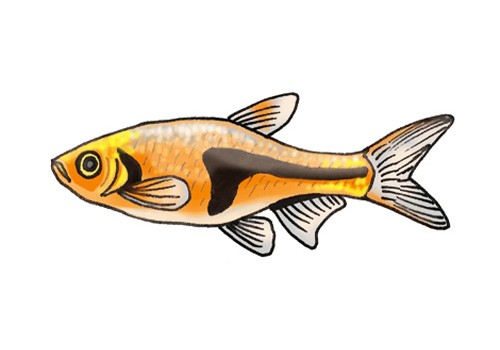 Some hardy small aquarium fish have a good chance of working: the neon tetra, cardinal tetra, lambchop rasbora (also sold as the espei rasbora) and the White Cloud Mountain minnow, known in Japan as akahire (アカヒレ). Of these, only the White Cloud needs no heater. The conditions:
- A heater, indoors. The tetras, rasboras and corydoras need about 79°F (26°C). None of them can go outdoors.
- Expect more disease risk. Medaka do best at about 73 to 81°F (23 to 27°C), so 79°F suits them, but that warmth also suits bacteria such as Aeromonas. If this is your first mixed tank, start with loaches, shrimp or snails, which need no heater.
- Start with a few. Watch them, and add more only if things stay calm. Temperament varies from fish to fish.
- Check diet and temperament. Some small tropicals are carnivorous, some can be feisty with medaka (the rummy-nose tetra, for one), and fish that need very different water chemistry, such as cichlids that want alkaline water, are out.
Animals to Keep Away From Medaka
Goldfish. Pairing them with medaka is a common beginner mistake, because both are sold as easy starter fish. A goldfish that was no trouble on its own can start bullying the moment medaka arrive: it is bolder, sturdier, sometimes territorial, and an omnivore. Once it grows big enough to fit medaka in its mouth, it can eat them. Hornwort and anacharis give small fish some cover, but even same-sized goldfish and medaka should not share a tank.
Crayfish. An omnivore with a strong carnivorous streak. In the wild, crayfish routinely eat medaka. Adding plants for cover won't help, because crayfish shred plants and eat them. US note: many states regulate which crayfish may be kept or moved, and several of them ban the marbled crayfish outright.
Frogs, tadpoles and turtles. Frog waste fouls the water faster than medaka waste does, and a large frog eats medaka. Tadpoles seem like natural pond companions, but they are omnivores that eat fry. Turtles eat medaka and need a different setup.
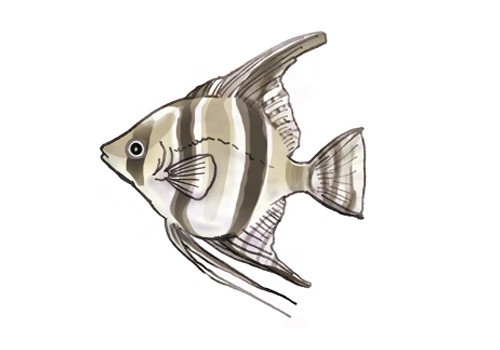 Any medium-sized or larger fish. A bigger fish stresses medaka even without attacking; frightened medaka freeze in a corner. Large fish also dirty the water and usually need strong filters, and medaka hate current. Angelfish belong here too, since they can eat medaka.
Medaka With Other Medaka
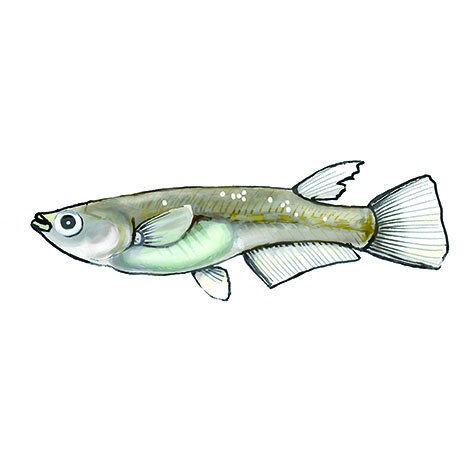
Mixing varieties is usually fine. The exception is fancy varieties bred for an unusual body, fins or eyes. The round daruma (ダルマ) and the long-finned swallow are slow swimmers, the bulging-eyed deme (出目) is easily injured, and albinos have weak eyesight, so normal-bodied medaka get to the food first. Keep them in their own container. For a community tank, choose the normal-bodied varieties: black kuro (黒), white shiro (白), orange himedaka (ヒメダカ), Youkihi (楊貴妃) and Miyuki (幹之).
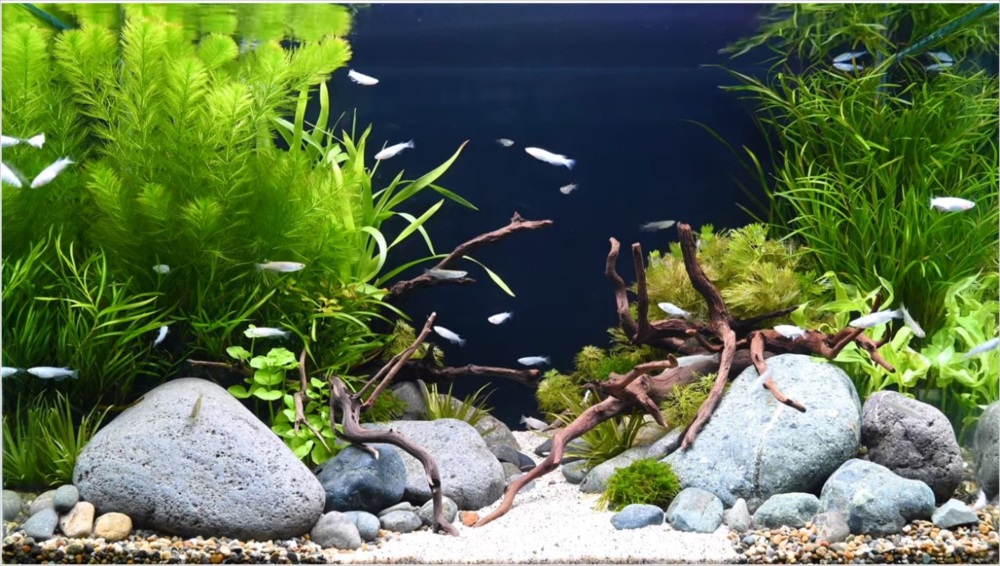
Before You Add Anyone
The Japanese stocking rule is about one quart (1 liter) per medaka, but the fish are calmer with room to spare, so treat roughly 10 fish in a standard 12-inch (30 cm) tank (about 3 gallons) and 30 to 40 in a 24-inch (60 cm) tank (about 15 to 20 gallons) as ceilings. We recommend at least a 12-inch (30 cm) cube (about 7 gallons) for a mixed tank. Change about a third of the water every one to two weeks (more often in a crowded tank) with dechlorinated tap water, and plant generously. The full routine is in our medaka care guide.
FAQ
- Q. Can medaka live with cherry shrimp?
- A. Yes. Both like the same water, and the shrimp clean up leftovers and algae. Add adult shrimp, since medaka eat shrimplets, and give them dense moss if you want them to breed in the same tank.
- Q. Can I keep medaka with goldfish?
- A. No. Goldfish are bolder than medaka and eat animal food as well as plants. Even a goldfish the same size as your medaka can bully them, and one that grows big enough can eat them.
- Q. Can medaka live with neon tetras?
- A. Indoors, usually. Hold about 79°F (26°C) with a heater, add a few tetras as a trial, and watch. That temperature also favors bacteria, so the warm mixed tank is a step up in difficulty. Never outdoors.
- Q. My medaka numbers dropped after I added tank mates. Why?
- A. Something is probably eating them or their eggs. Carnivores are the obvious suspects, but omnivores such as goldfish and crayfish, and even large omnivorous loaches, attack medaka too. The bigger the animal's body and mouth, the higher the risk.